
Local Hot Spots
Camas Prairie Centennial Marsh WMA
Description
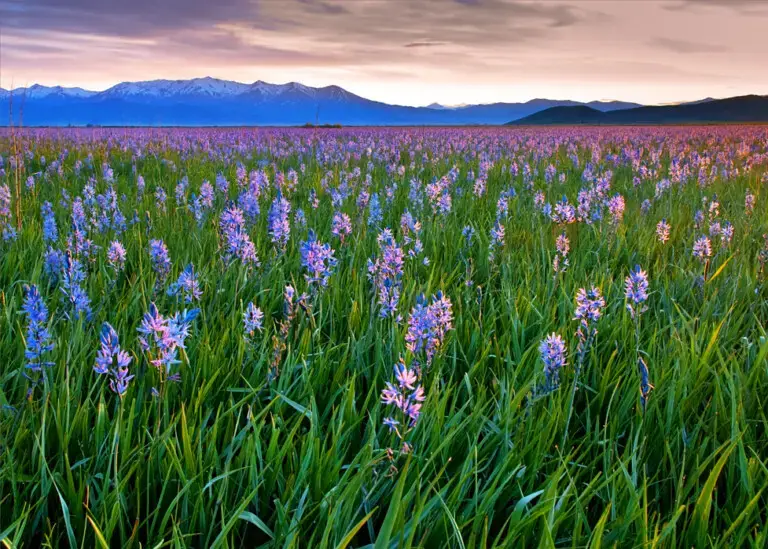
3,000-acre wetland famous for intense Camas blooms in late May. Brush/sedge/ camas marsh surrounded by high desert sagebrush steppe and farmland.
Birds
Sora, Black-necked Stilt, American Avocet, Wilson’s Phalarope, Sandhill Crane, Long-billed Curlew, Eared Grebe, Prairie Falcon, Sage Thrasher, Mountain Bluebird, Brewers’ and Vesper Sparrow.
Birds
Sora, Black-necked Stilt, American Avocet, Wilson’s Phalarope, Sandhill Crane, Long-billed Curlew, Eared Grebe, Prairie Falcon, Sage Thrasher, Mountain Bluebird, Brewers’ and Vesper Sparrow.
Directions
From the Perrine Bridge head north and take I-84 west. Exit at Wendell (exit 157) onto Highway 46. Drive through Wendell and Gooding through the Bennett Hills and down into the Camas Prairie. Turn left onto US 20 through Fairfield to milepost 143.1. Turn left (south) onto Wolf Lane. After 5 miles turn right onto Stokes Road which will take you to the Wildlife Management Area.
Centennial Park
Description
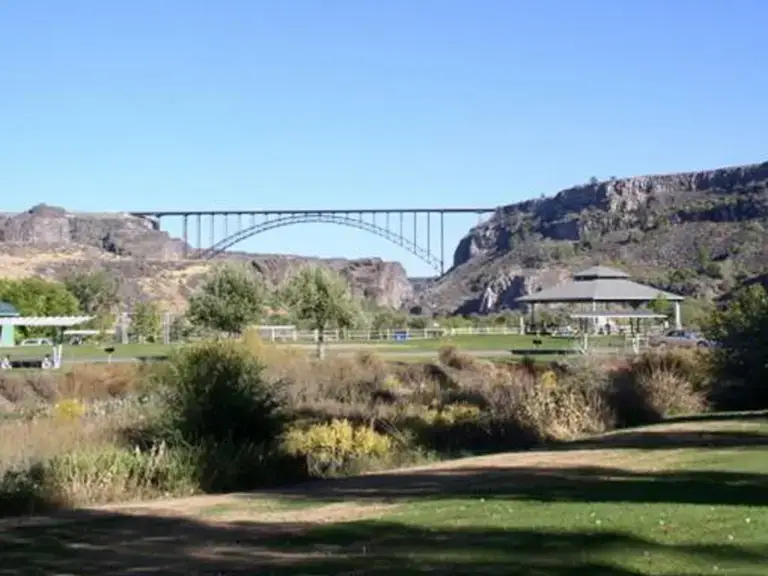
City park below the Perrine Bridge along the Snake River. Willow riparian areas, towering basalt cliffs, slow moving open water, sagebrush/grassland/shrub areas.
Birds
American White Pelican, Great-blue Heron, Black-crowned Night Heron, Double-crested Cormorant, Lazuli Bunting, Bullock’s Oriole, Western Tanager, Spotted Towhee, White-throated Swift, Golden Eagle, White-Crowned Sparrow, Song Sparrow, Canyon Wren, Red-tailed Hawk, Bald Eagle, Townsend’s Solitaire.
Birds
American White Pelican, Great-blue Heron, Black-crowned Night Heron, Double-crested Cormorant, Lazuli Bunting, Bullock’s Oriole, Western Tanager, Spotted Towhee, White-throated Swift, Golden Eagle, White-Crowned Sparrow, Song Sparrow, Canyon Wren, Red-tailed Hawk, Bald Eagle, Townsend’s Solitaire.
Directions
From the Perrine Bridge head south. Turn right onto Canyon Springs Road. Look for the sign to Centennial Park near the bottom of the canyon.
CSI Campus/CSI Wetlands
Description
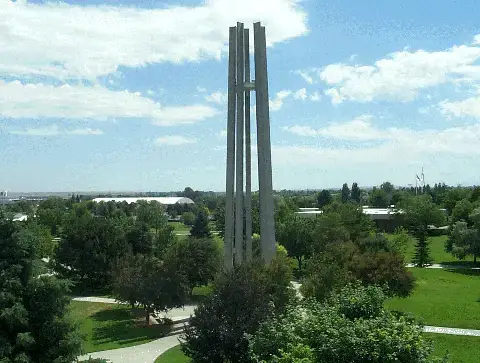
Landscaped college campus with mature trees, large semi-wild constructed wetland.
Birds
Song Sparrow, White-crowned Sparrow, Marsh Wren, Red-winged and Yellow-headed Blackbird, Common Snipe, Great-horned Owl, Red-tailed Hawk, Red-breasted Nuthatch, Brown Creeper, Northern Flicker.
Birds
Song Sparrow, White-crowned Sparrow, Marsh Wren, Red-winged and Yellow-headed Blackbird, Common Snipe, Great-horned Owl, Red-tailed Hawk, Red-breasted Nuthatch, Brown Creeper, Northern Flicker.
Directions
From the Perrine Bridge head south on Blue Lakes Boulevard. After one mile turn right onto North College Road. In ½ mile the College of Southern Idaho Campus is on the left with ample parking and the Breckinridge Wetland on the right.
Dierkes Lake / Shoshone Falls Park
Description
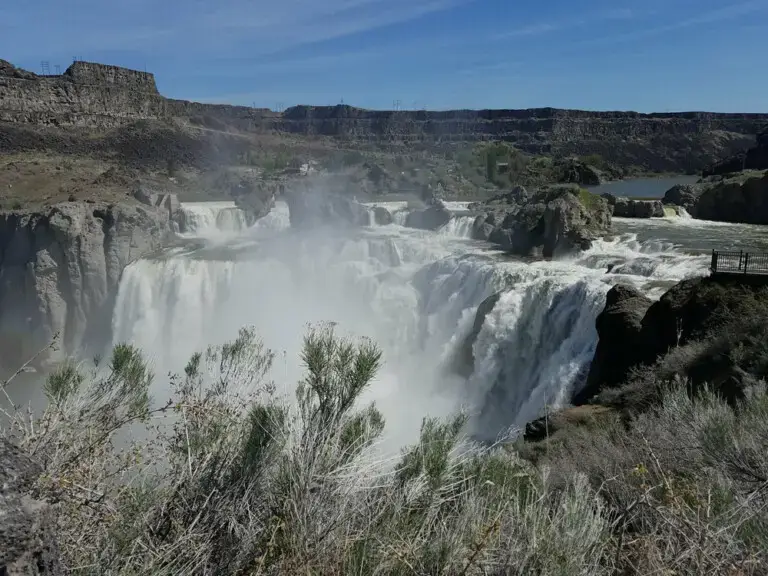
A county park six miles from the Perrine Bridge. Large deciduous trees in park areas, basalt/rhyolite cliffs, cattail/reed marshes, open water, sagebrush/grassland.
Birds
Rock, Marsh and Canyon Wren, Sora and Virginia Rail, Golden Eagle, American Dipper (near Shoshone Falls), Bullock’s Oriole, Western Tanager, Brown Creeper, Violet-green and Cliff Swallows.
Birds
Rock, Marsh and Canyon Wren, Sora and Virginia Rail, Golden Eagle, American Dipper (near Shoshone Falls), Bullock’s Oriole, Western Tanager, Brown Creeper, Violet-green and Cliff Swallows.
Directions
From the Perrine Bridge head south on Blue Lakes Boulevard one mile. Turn left onto Falls Avenue. Turn left after three miles at the sign for Shoshone Falls Park. After descending into the canyon stay left for Shoshone Falls Park or turn right at the sign for Dierke’s Lake Park. A small admission fee is charged during summer.
Hagerman Wildlife Management Area
Description
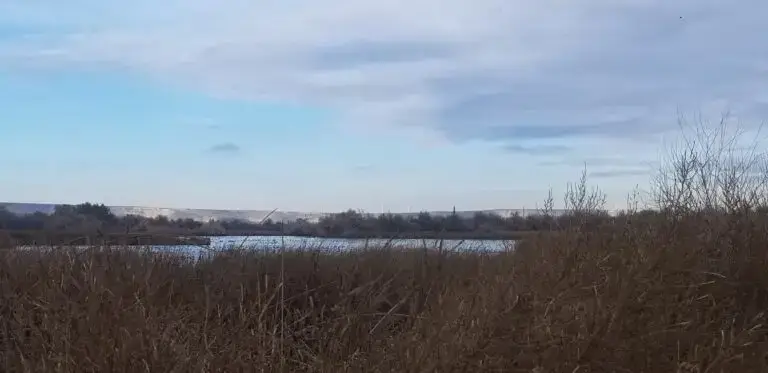
Wonderful habitat including large expanses of marsh, wetland, and open water, riparian area, mixed scrub/conifer/deciduous habitat.
Birds
Over 100,000 ducks winter here including the Greater Scaup, Northern Pintail, and Wood duck. Bald Eagle, Northern Harrier, Prairie Falcon, Accipiters, Barn and Great-horned Owl, Virginia Rail and Sora, Trumpeter and Tundra Swan, Black-crowned Night Heron, Ruby-crowned Kinglet, Warbling and Plumbeous Vireo, Brown Creeper, American Pipit, Common Yellowthroat, Yellow- breasted Chat and many others. The Hagerman Christmas Bird Count often has the high number for species in Idaho and also has potential for many rarities.
Birds
Over 100,000 ducks winter here including the Greater Scaup, Northern Pintail, and Wood duck. Bald Eagle, Northern Harrier, Prairie Falcon, Accipiters, Barn and Great-horned Owl, Virginia Rail and Sora, Trumpeter and Tundra Swan, Black-crowned Night Heron, Ruby-crowned Kinglet, Warbling and Plumbeous Vireo, Brown Creeper, American Pipit, Common Yellowthroat, Yellow- breasted Chat and many others. The Hagerman Christmas Bird Count often has the high number for species in Idaho and also has potential for many rarities.
Directions
Head north from the Perrine Bridge on US 93, exiting onto I- 84 heading west, at exit 155 (just past Wendell) take exit 155 onto the Hagerman Highway (E 2950 S) and head west towards Hagerman. In about nine miles turn left onto US 30, turn left between mileposts 184 and 183 onto State Fish Hatchery Road at which point you will be on the refuge.
Murtaugh Lake
Description
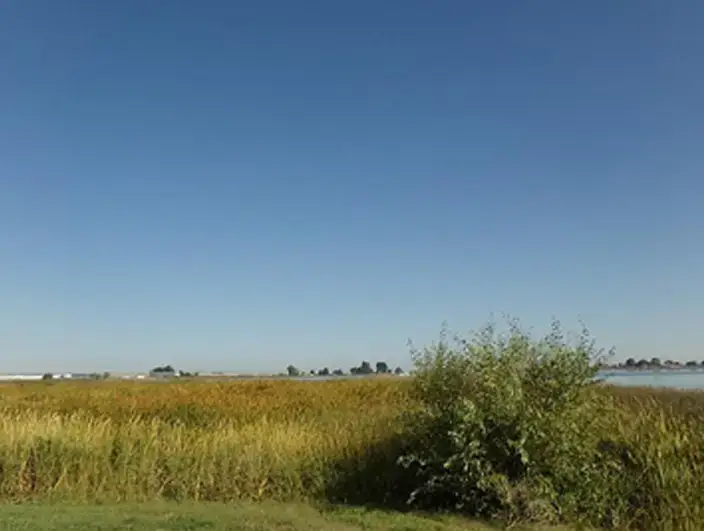
Small Reservoir, marsh, and grassy park area.
Birds
Marsh Wren, Virginia Rail, Common Snipe, American Kestrel, White-faced Ibis, Caspian, Forester’s and Black Tern, American White Pelican, Yellow-headed Blackbird, Common Yellow-throat, Violet-green, Tree, Northern Rough-winged and Barn Swallow, and numerous ducks in the winter.
Birds
Marsh Wren, Virginia Rail, Common Snipe, American Kestrel, White-faced Ibis, Caspian, Forester’s and Black Tern, American White Pelican, Yellow-headed Blackbird, Common Yellow-throat, Violet-green, Tree, Northern Rough-winged and Barn Swallow, and numerous ducks in the winter.
Directions
From the Perrine Bridge head south for 4.5 miles on Blue Lakes Boulevard. Turn left on 3700 North (also called Orchard and Sugar Factory Road). Pass through the town of Kimberly at 5 miles. At Hansen (3 more miles) 3700 North becomes US 30. Continue 8 miles to the Sportsman’s Access sign and turn right.
Rock Creek Park
Description
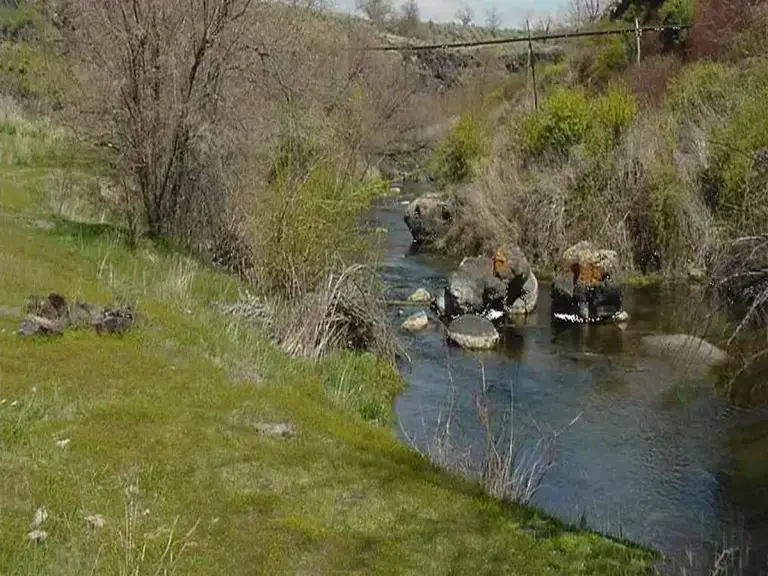
County Park and Greenbelt, small basalt canyon, Russian olive creek side/riparian habitat.
Birds
Sharp-shinned and Cooper’s Hawk, Merlin, Cedar and Bohemian Waxwings, House, Rock, and Canyon Wren, Yellow and Yellow-rumped warblers, Common Snipe, Black-capped and Mountain Chickadee, Great- horned, Western Screech-owl, and Saw-whet Owls, American Goldfinch, Pine Siskin, numerous American Robins and the beautiful Black-billed Magpie.
Birds
Sharp-shinned and Cooper’s Hawk, Merlin, Cedar and Bohemian Waxwings, House, Rock, and Canyon Wren, Yellow and Yellow-rumped warblers, Common Snipe, Black-capped and Mountain Chickadee, Great- horned, Western Screech-owl, and Saw-whet Owls, American Goldfinch, Pine Siskin, numerous American Robins and the beautiful Black-billed Magpie.
Directions
From the Perrine Bridge head south on Blue Lakes Boulevard. At about 2.5 miles turn right onto Addison Avenue (Highway 30 & 93). In about two miles (after crossing Rock Creek Canyon) watch closely for the sign to Rock Creek Park on the right.
South Hills/ Magic Mountain/ Rock Creek Road
Description
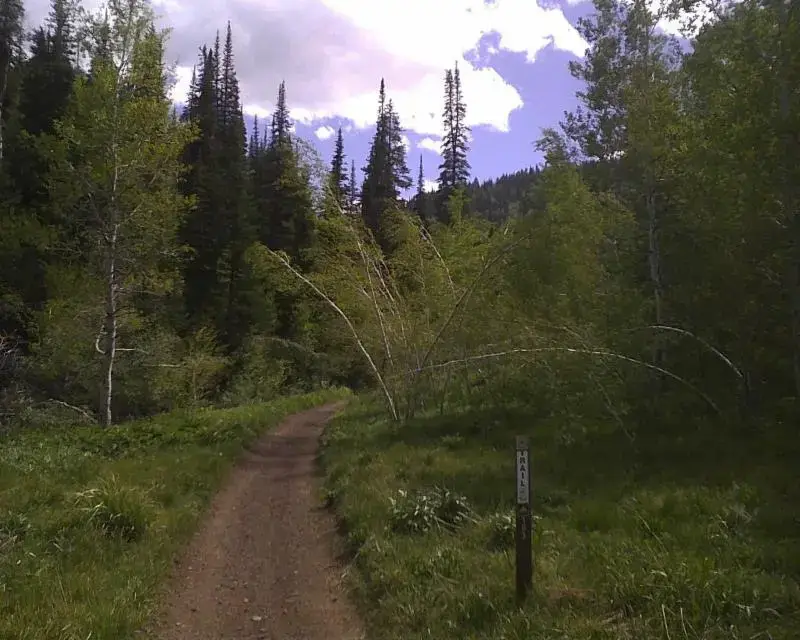
Exquisite high desert canyon drive with plenty of hiking available. Fabulous birding spring through fall. Habitat: Sagebrush steppe, willow, cottonwood, aspen, riparian, mountain mahogany and subalpine fir groves within a deep rhyolite canyon.
Birds
All three accipiters, Prairie Falcon, Kestrel, Golden Eagle, Chukar, Lewis Woodpecker, Red-naped sapsucker, Calliope, Rufous, Black-chinned and Broad-tailed Hummingbirds, Swainson’s and Hermit Thrush, Western Wood Pewee, Lark, Fox, Song, Brewers, Vesper, and White-Crowned Sparrow, Lazuli Bunting, Juniper Titmouse, Warbling and Plumbeous Vireo, MacGillivray’s, Yellow, Yellow-rumped, Wilson’s, and Black-throated Gray Warbler, Northern Pygmy, Flammulated, Northern Saw-whet, Western Screech-owl, and Great-horned Owls (with tapes), Hammonds, Dusky and Cordilleran Flycatchers, Mountain Bluebird, Common Poorwill and many more. Of special interest is the Cassia Crossbill, recently recognized to warrant species status by the American Ornithological Society, giving Idaho its sole endemic species.
Birds
All three accipiters, Prairie Falcon, Kestrel, Golden Eagle, Chukar, Lewis Woodpecker, Red-naped sapsucker, Calliope, Rufous, Black-chinned and Broad-tailed Hummingbirds, Swainson’s and Hermit Thrush, Western Wood Pewee, Lark, Fox, Song, Brewers, Vesper, and White-Crowned Sparrow, Lazuli Bunting, Juniper Titmouse, Warbling and Plumbeous Vireo, MacGillivray’s, Yellow, Yellow-rumped, Wilson’s, and Black-throated Gray Warbler, Northern Pygmy, Flammulated, Northern Saw-whet, Western Screech-owl, and Great-horned Owls (with tapes), Hammonds, Dusky and Cordilleran Flycatchers, Mountain Bluebird, Common Poorwill and many more. Of special interest is the Cassia Crossbill, recently recognized to warrant species status by the American Ornithological Society, giving Idaho its sole endemic species.
Directions
From the Perrine Bridge head south for 4.5 miles on Blue Lakes Boulevard. Turn left on 3700 North (also called Orchard and Sugar Factory Road). Pass through Kimberly at five miles and when you reach Hansen (eight miles from Blue Lakes Boulevard) turn right on Rock Creek road at the sign for Sawtooth National Forest. Continue eight miles south to the mouth of Rock Creek Canyon and then as many as 18 more miles to the top at Magic Mountain Ski Area. In summer (and if you have a map) continue west on the Rogerson Road through the Shoshone Basin to make a loop finishing up on U.S. 93.
Other Good Birding Areas
Balanced Rock State
ParkNiagara Springs Wildlife Management Area
Malad Gorge State Park
Box Canyon State Park
Billingsley Creek State Park
Cottonwood Creek Special Management Area
Lake Walcott/Minidoka Wildlife Refuge
Milner Dam Recreation Area
Shoshone Basin
Jarbidge Resource Management Area
Silver Creek Preserve
Hummingbird Feeding Area
Compiled by Karl Ruprecht and Jeff Ruprecht
Thousand Springs State Park
Description
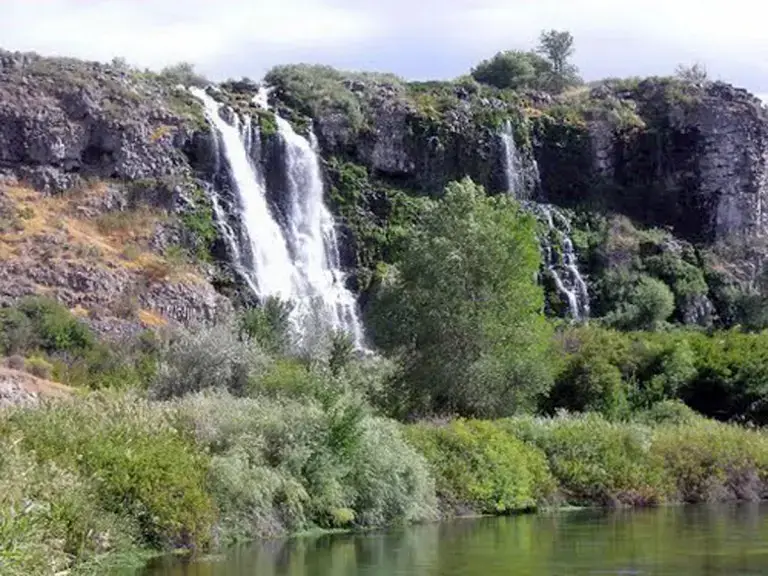
Nestled alongside the picturesque Snake River, between two magnificent springs, the property includes waterfalls, transparent springs, marshland, large deciduous trees, and sagebrush/juniper scrub with basalt outcroppings.
Birds
American Dipper, Great and Snowy Egret, Barn/Great-horned/Western Screech-owl, Great-blue and Black-crowned Heron, Sora and Virginia Rail, Lazuli Bunting, Yellow-breasted Chat, Wood Duck, accipiters, Prairie Falcon, Golden Eagle.
Birds
American Dipper, Great and Snowy Egret, Barn/Great-horned/Western Screech-owl, Great-blue and Black-crowned Heron, Sora and Virginia Rail, Lazuli Bunting, Yellow-breasted Chat, Wood Duck, accipiters, Prairie Falcon, Golden Eagle.
Directions
Go north from the Perrine Bridge to I-84 and go west. Take exit 155 and follow Hagerman Highway west. After 3.5 miles turn left on 1500 E and go 2.5 miles. Turn right on 3200 S and drive 2 miles to the “T” intersection. Turn left on 1300 E for 0.2 mile, then right on Thousand Springs Grade which descends into the canyon.